
Infographics are a great way to explain topics, whether complex or mundane, across a wide range of audiences. Here, I also share my copywriting tips for infographics.
Table of Contents:
How to use infographics in your content marketing strategy

Summary:
- Infographics are a visual, shareable format that helps explain topics clearly and can boost brand visibility, especially on social platforms like Pinterest.
- Effective infographic copy should be short, structured, and SEO-friendly — with a strong title, headings, bullets, a clear CTA, and a tight word count.
- Infographics work best when they support a larger content goal: summarise the main article, attract clicks, and fit both the brand and audience.
What are infographics?
An infographic is a visual tool that combines elements like short text, images, illustrations, and charts to provide information on a topic.
How can infographics be used for online content?
In an age where both social media algorithms and audiences expect visually stunning content, infographics also serve as highly shareable assets that can help increase brand visibility. Getting the visuals right can also help your content stand out among the saturated online content landscape.
Can I use infographics for my print campaigns?
Yes! Infographics also work well across print campaigns, as their striking visuals easily capture attention and make content more engaging for readers.

Case Study on Writing Copy for Infographics
Infographics Copywriting Samples
Client: Content marketing agency
Brief: Create an infographic to complement a blog post. This infographic will contain the key points of the post for people who want a summary of the topic or prefer a more visual way of engaging with a topic.
When posted on social media sites like Pinterest and linked back to the blog post, it can also encourage readers to click through and read the entire blog post.
Tips for Writing Copy for Infographics
- Title: The title of the infographic matches the blog post, which has been optimised to reflect both the structure of the post (list, how-to, etc.) and what the topic is.
- Structure: Follows an SEO-friendly structure that’s helpful for both human readers and algorithms. This includes the use of headings and bulleted lists.
- CTA: The infographic always ends with the client’s branding, as well as a bespoke CTA that matches the topic and brand.
- Word count: Probably one of the most important aspects of infographic copywriting is to stick to a word count. The shorter, the better, as having too much text might overwhelm readers and compromise the design.
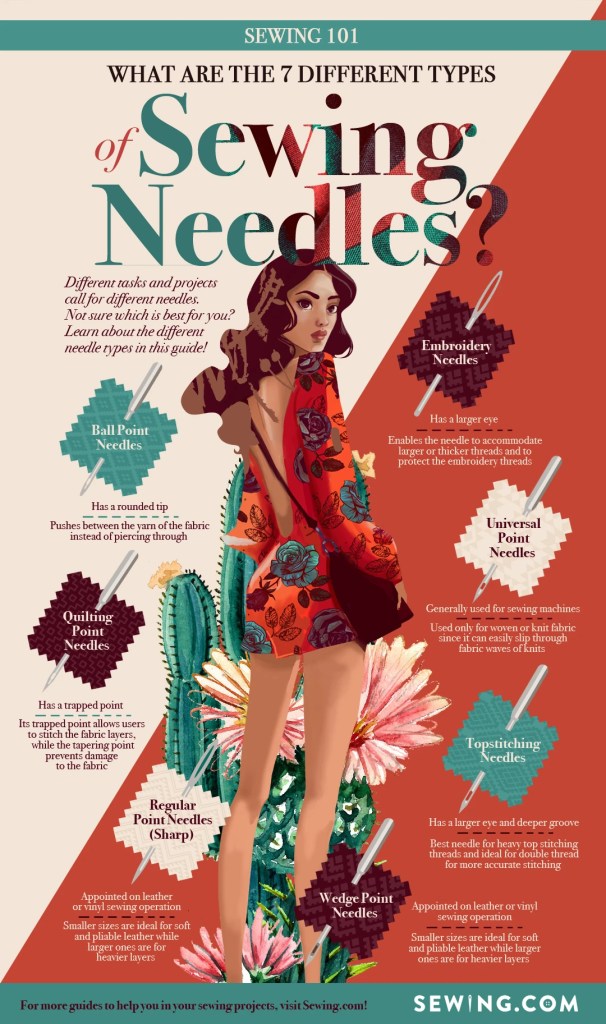


Infographics are a great way to explain topics, whether complex or mundane, across a wide range of audiences. Their striking visuals can help engage audiences to learn about a topic and also serve as highly shareable assets for social media.
Let me know what you think!